
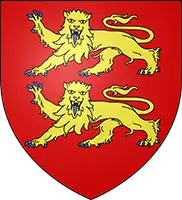
Normandy is the land of dukes, apples and the D-Day beaches, a region of rolling countryside, cliffs and estuaries that has played a decisive role in the history of France and the Western world. It was from Normandy that William the Conqueror set out in 1066 to conquer England, a defining event that bound the destinies of the two nations for centuries and gave the English language a large part of its vocabulary of French origin.
Normandy’s castle heritage is one of the oldest and most diverse in France: from 11th-century Romanesque keep towers to the half-timbered manor houses of the Pays d’Auge, via 13th-century Gothic fortresses and 16th-century Renaissance castles. Rouen, Caen, Falaise, Château-Gaillard built by Richard the Lionheart on its rocky outcrop overlooking the Seine, Tancarville, Harcourt, Beaumesnil, Balleroy designed by Mansart… The castles of Normandy tell the tumultuous story of a province contested between the kings of France and the kings of England during the Hundred Years’ War.
The memory of the Second World War is deeply ingrained in the Normandy landscape: the D-Day beaches — Utah, Omaha, Gold, Juno, Sword —, the military cemeteries and memorials serve as a reminder that it was here, in the hedgerows and on the cliffs of the English Channel, that the fate of a free Europe was decided in June 1944.