
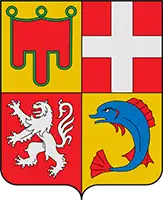
Auvergne-Rhône-Alpes is a region of stark contrasts, ranging from the agricultural plains of Bresse and Forez, the volcanic plateaus of Auvergne and the high peaks of the Alps, which rise to 4,808 metres at Mont Blanc, the highest point in Western Europe. This vast territory brings together distinct cultures and histories: Romanesque Auvergne with its black basalt cathedrals, Savoy, which has only been part of France since 1860, and the Rhône corridor, which has been the main route of communication between northern and southern Europe since ancient times.
The region’s castle heritage reflects this diversity: from the Romanesque fortified castles of the Bourbonnais to the elegant mansions of the Dauphiné, from the Savoyard fortresses to the Auvergnat basalt manor houses, each area has developed its own architectural style based on its stone resources and political history. Vizille, where the Assembly that paved the way for the Revolution was held in 1788; Suze-la-Rousse; Grignan, where the Marquise de Sévigné died; the castle of the Dukes of Savoy in Chambéry; the Bastille in Grenoble… The region’s castles are set against landscapes ranging from the gentle Mediterranean climate of the Drôme to the rugged Alpine terrain of Haute-Savoie.
Lyon, the capital of French gastronomy and the country’s second cultural metropolis, shines with its Renaissance traboules and exceptional museums, whilst Clermont-Ferrand, a city of black lava and the birthplace of Michelin, embodies the industrious and inventive Auvergne.